Spring Forward: Your Essential DIY Checklist to Prepare Your HVAC for Warmer Weather

As winter fades out and longer days start rolling in, it’s a smart time to prepare your HVAC system for spring before the first real warm spell hits. A little attention now can help your system run more efficiently, keep your home comfortable, and reduce the chances of surprise breakdowns when you need cooling most. The good news is that a lot of spring HVAC prep is simple enough for homeowners to handle on their own.

This spring HVAC maintenance checklist focuses on easy, practical tasks that make a real difference. We’ll cover what to clean, what to inspect, and how to know when it’s time to bring in a professional. If you’ve been wondering about the best time for switching from heat to AC, this guide will help with that too.

Why Spring HVAC Prep Matters

Your air conditioner doesn’t love being ignored all winter. Leaves, dirt, and debris can build up around the outdoor unit, filters get clogged, and small issues from last cooling season can carry over into the next one. By the time the first hot weekend arrives, your system may already be working harder than it should.

Spring is the ideal time to get ahead of those problems. Temperatures are still mild, HVAC companies aren’t as busy with emergencies, and you have a chance to catch minor issues before they turn into expensive repairs. It also gives you a cleaner transition if you’re switching from heat to AC for the season.

Start With Your Thermostat Settings

Before doing any cleaning, check your thermostat. Make sure it’s set correctly, the schedule still fits your routine, and the batteries are fresh if your model uses them. It’s easy to overlook, but thermostat issues can look like HVAC problems when they’re really just control issues.

If you use a programmable or smart thermostat, now’s also a good time to review your spring and summer settings. Setting realistic temperatures can help reduce wear on your system and lower energy use. 

Replace or Clean the Air Filter

If you do one thing from this DIY spring cleaning HVAC list, make it this. A dirty air filter restricts airflow, forces your system to work harder, and can affect indoor comfort. In some cases, it can even contribute to frozen evaporator coils or uneven cooling.

Get a replacement filter it if it looks dusty or clogged. If you have a washable filter, clean it thoroughly and let it dry completely before reinstalling it. Here’s how it helps:

  • Better airflow: Helps your system cool your home more evenly.
  • Cleaner indoor air: Reduces dust and airborne particles moving through the house.
  • Lower system strain: Keeps your HVAC from working harder than necessary.

Clear the Area Around the Condenser

Your outdoor condenser needs breathing room. During fall and winter, it’s common for leaves, sticks, weeds, and mulch to collect around the unit. If airflow is blocked, your AC can struggle to release heat properly, which hurts performance.

Walk around the condenser and clear away anything crowding it. A good rule is to keep about two feet of open space around the unit whenever possible. Trim back plants, remove debris, and make sure nothing is leaning against the cabinet.

While you’re there, look for obvious signs of damage like bent fins, loose panels, or unusual rust. You don’t need to take the unit apart, but a quick visual check can help you spot something that needs professional attention.

Gently Clean Visible Dirt

Once the area is cleared, you can do some basic surface cleaning. Turn off power to the unit first. Then use your hands or a soft brush to remove leaves, grass clippings, and dirt from the outside of the condenser.

You can also lightly rinse the exterior with a garden hose to wash away built-up grime. Just avoid using a pressure washer, since the fins are delicate and can bend easily. Here’s how it helps:

  • Cleaner coils: Help the unit release heat more effectively.
  • Improved efficiency: Reduces some of the extra work caused by dirt buildup.
  • Better seasonal performance: Gives your AC a cleaner starting point before heavy use.

For homeowners looking to understand why this matters, the U.S. Department of Energy and ENERGY STAR both offer helpful guidance on HVAC efficiency and maintenance.

Clean Your Indoor Air Vents and Registers

Spring HVAC prep is not just about the outdoor equipment. Go room to room and make sure supply and return vents are open and not blocked by rugs, curtains, or furniture. When airflow is restricted inside the house, your system can’t distribute cooled air the way it should.

Take a minute to vacuum dust from the vent covers too. It won’t solve every airflow problem, but it helps keep things cleaner and can improve circulation. 

Check the Drain Line 

Many homeowners forget about the condensate drain line until it clogs. When your AC runs, it pulls moisture from the air, and that water needs somewhere to go. If the drain line gets blocked, you could end up with water damage, excess humidity, or system shutdowns.

Look around the indoor unit for pooled water, damp spots, or musty smells. Those can all be signs that something is not draining properly. A professional can flush the line and make sure everything is working the way it should.

Know the best time for switching from heat to AC

There’s no perfect calendar date for every home, but in general, the best time for switching from heat to AC is when daytime temperatures start staying consistently mild to warm and you no longer need overnight heat. Spring weather can bounce around, so it helps to watch the forecast instead of forcing the change too early.

A good approach is to test your cooling system on a moderate day before the first hot stretch arrives. Set the thermostat to cooling mode and let it run for a bit. Listen for odd sounds, check that cool air is coming through the vents, and pay attention to whether the system starts and stops normally.

If something seems off, don’t wait for a 90-degree day to deal with it. That’s when schedules fill up fast and small issues become more frustrating.

What DIY spring cleaning HVAC can and can’t do

DIY maintenance goes a long way, but it has limits. Homeowners can usually handle filter changes, debris removal, thermostat checks, and keeping vents clear. Those simple steps support system health and help you stay aware of potential issues.

A professional tune-up covers the deeper side of spring prep. It’s a great time for regular maintenance, which includes checking refrigerant levels, electrical components, capacitor performance, coil condition, blower operation, and system safety controls. It’s also the best way to catch wear before it turns into a mid-season failure.

When to schedule professional AC maintenance

Here’s the thing: even if your system seems fine, spring is still the right time to schedule professional maintenance. Preventive service helps confirm that your AC is actually ready for summer, not just limping into it. It also gives you peace of mind before hotter weather puts real demand on the system.

You should especially schedule service if your AC is making new noises, cooling unevenly, running longer than usual, or has not been checked in over a year. Older systems benefit even more from a seasonal inspection because small efficiency losses add up fast over time.

What to Do Next

If you’ve gone through this spring HVAC maintenance checklist and something still seems off, it can help to have a professional take a closer look. For homeowners who want a second opinion before warm weather really settles in, Peppy Heating & Cooling is a trusted local provider. Give us a call at 208-906-6928 or schedule a tune-up online

FAQs About Spring HVAC Maintenance

What is the 3 minute rule for AC? 

The 3-minute rule refers to waiting at least three minutes before restarting your AC after it shuts off, allowing system pressure to equalize and preventing damage to the compressor.

Is an HVAC coil cleaning worth it? 

Yes. Cleaning the coils improves efficiency, lowers energy costs, and helps extend the lifespan of your system. 

How often should air conditioners be serviced? 

Air conditioners should be serviced at least once a year, ideally before the cooling season begins.

Beyond the Dial: Choosing the Best Smart Thermostats for Ultimate Home Comfort and Savings

If you’re looking into the best smart thermostats, you’re probably thinking about two things: comfort and lower energy bills. And honestly, that’s exactly where smart thermostats shine.

These devices go way beyond the old manual dial. Today’s models learn your habits, adjust automatically, and even help you track energy usage from your phone. Let’s break down what makes a smart thermostat worth it, compare some of the most popular models, and talk about why professional thermostat installation can make all the difference.

What Makes a Smart Thermostat “Smart”?

Not all programmable thermostats are truly smart. The difference comes down to connectivity and automation. Most leading models offer:

  • WiFi connectivity: Lets you control temperature from a smartphone app.
  • Learning algorithms: Adjust settings automatically based on your routines.
  • Energy usage reports: Show how much energy you’re using and when.
  • Geofencing: Changes temperature when you leave or return home.
  • Smart home integration: Connects with platforms like Amazon Alexa and Google Assistant.

According to the U.S. Department of Energy, you can save up to 10 percent per year on heating and cooling by adjusting your thermostat 7 to 10 degrees for eight hours a day. Smart thermostats automate that process, so you don’t have to think about it. That’s where the real value comes in when you want to save energy with smart thermostat technology.

Best Smart Thermostats on the Market

Here’s a smart thermostat comparison of some of the most widely recommended and independently reviewed models.

Google Nest Learning Thermostat

The Nest Learning Thermostat is known for its adaptive learning technology. After about a week of manual adjustments, it starts building a schedule automatically.

Key features include:

  • Auto-Schedule: Learns your preferred temperatures.
  • Home and Away Assist: Uses sensors and phone location to adjust automatically.
  • Energy History: Tracks usage patterns through the app.

Nest reports average savings of 10 to 12 percent on heating and 15 percent on cooling, based on internal studies.

ecobee Smart Thermostat Premium

ecobee focuses heavily on room sensors and zoning flexibility.

Standout features:

  • SmartSensor technology: Measures temperature and occupancy in different rooms.
  • Voice control built in: Includes support for major voice assistants.
  • Energy reports: Provides usage insights and recommendations.

Independent ENERGY STAR data shows certified smart thermostats can save about 8 percent on heating and cooling annually.

For homes with hot or cold spots, ecobee’s remote sensors can make a noticeable comfort difference.

Honeywell Home T9 Smart Thermostat

Honeywell’s T9 offers a balance of reliability and smart features.

Highlights:

Smart Room Sensors: Help prioritize rooms that are occupied.
Geofencing: Adjusts settings based on your phone’s location.
Flexible scheduling: Allows manual or automated programming.

It’s often considered a solid choice for homeowners who want smart functionality without a steep learning curve.

Smart Thermostat Comparison: Which One Is Right for You?

The best option depends on your home and HVAC setup.

If you want advanced learning and sleek design, Nest is popular. If you need better temperature balancing across rooms, ecobee’s sensors stand out. If you want something straightforward and dependable, Honeywell remains a trusted name. But the model itself isn’t the only factor. What most homeowners don’t realize is that compatibility matters just as much as features.

Why Professional Thermostat Installation Matters

Even the Best Smart Thermostats won’t perform properly if they aren’t installed correctly. Some HVAC systems require a C wire for continuous power. Others may have multi-stage heating or cooling systems that need a specific configuration. Heat pumps, zoning systems, and variable-speed equipment add another layer of complexity.

Professional thermostat installation ensures:

  • System compatibility: Confirms your HVAC system supports the device.
  • Correct wiring: Prevents short cycling or system damage.
  • Optimized settings: Calibrates temperature swings and staging properly.
  • Maximum efficiency: Helps you truly save energy with smart thermostat automation.

Incorrect installation can lead to comfort issues, higher energy use, or even equipment strain. In a climate where heating and cooling systems work hard year-round, that’s not something you want to gamble on.

If you’re already exploring upgrades, it’s also worth reviewing other options like upgraded filters to ensure your entire comfort system is working together efficiently.

Are Smart Thermostats Actually Worth It?

In many cases, yes! Smart thermostats provide:

  • Convenience: Control from anywhere.
  • Consistency: Less temperature fluctuation.
  • Energy awareness: Real data about your usage habits.
  • Long-term savings: Reduced heating and cooling costs over time.

The biggest gains typically come from households that previously left thermostats at constant settings or forgot to adjust temperatures during the day. And unlike many home upgrades, smart thermostats start paying you back relatively quickly.

Next Steps for Your Smart Thermostat

If you’re considering upgrading to one of the best smart thermostats, it helps to make sure your system is compatible and configured correctly. A professional can walk you through the options and explain which model fits your HVAC setup best.

If you’re in the area, Peppy Heating & Cooling can help with professional thermostat installation and system compatibility checks. You can reach us at 208-906-6928 or schedule an appointment online to talk through your options and make sure everything’s set up for maximum efficiency.

FAQs About Smart Thermostats

Do smart thermostats work with older HVAC systems?

Many do, but compatibility depends on wiring and system type. Older systems without a C wire may require an adapter or additional wiring.

How much can I save on energy with smart thermostat technology?

ENERGY STAR estimates certified smart thermostats can save about 8 percent annually on heating and cooling costs. Actual savings depend on usage patterns and local climate.

Can I install a smart thermostat myself?

Some homeowners do, but improper wiring or incorrect configuration can affect system performance. Professional thermostat installation helps ensure safe operation and full efficiency.

Do smart thermostats help with zoning?

Some models, especially those with remote sensors, can help balance temperatures across rooms. However, true zoning systems require specialized HVAC equipment and controls.

How Much Does a New AC Unit Cost?

Buying a new AC unit is a major investment – but understanding the cost upfront can help you budget, compare options, and avoid surprises. So, how much does a new air conditioning system cost in Boise or Nampa?

The answer depends on several factors, including your home’s size, energy needs, and installation conditions. At Peppy Heating & Cooling, we’re here to walk you through the key price drivers and help you choose a system that fits your home and budget.

What Affects the Cost of AC Installation?

When estimating the cost of a new air conditioner, several important variables come into play:

  • System Size and Cooling Capacity: Measured in BTUs or tons, the larger the system, the higher the price. Bigger homes require larger, more powerful units.
  • Energy Efficiency (SEER Rating): Higher SEER ratings mean better efficiency and lower utility bills, but they typically come with a higher upfront cost.
  • Installation Complexity: If your home has outdated ductwork, limited access, or electrical issues, installation will take longer and cost more.
  • Brand and Features: Premium brands and models with smart thermostats, variable-speed motors, or noise-reduction features generally cost more than basic units.
  • Climate Conditions: In hotter regions like Boise and Nampa, more efficient systems are often required to handle extended use – affecting both system selection and price.

Average AC Unit Cost Breakdown

So, what can you expect to pay?

Entry-Level Systems: $5,500 – $7,500

Ideal for smaller homes or budget-conscious buyers, these systems are basic but effective.

Mid-Range Systems: $7,500 – $10,000

These offer better energy efficiency and comfort features, making them a smart long-term investment.

High-End Systems: $10,000 – $16,000+

Advanced home systems with top-tier performance, ideal for larger homes or homeowners looking to maximize comfort and efficiency.


While upfront costs are important, investing in a more efficient unit can help lower your long-term energy bills – a crucial consideration during Idaho’s hottest months.

Ways to Make a New AC More Affordable

Getting a high-quality system doesn’t have to break your budget. Here’s how to make your investment go further:

  • Compare Quotes: Getting multiple estimates helps you find the best value for the services you need.
  • Explore Utility Rebates: Energy-efficient units may qualify for rebates through local programs, helping reduce your final cost.
  • Consider Financing: At Peppy, we offer flexible payment plans so you can spread out the cost of installation – without sacrificing comfort now.

If you’re unsure which unit makes the most sense, our team can walk you through equipment options, financing plans, and available incentives to help you save.

Peppy Heating & Cooling: Your Boise AC Experts

How much does a new AC unit cost? Now you know the factors, price ranges, and savings opportunities that come with upgrading your home’s cooling system.

At Peppy, we’re proud to offer expert AC installation services throughout Boise, Nampa, and surrounding areas. Whether you’re replacing an aging unit or building new, we’ll help you find the right system at the right price – no stress, no pressure.

Call us today at (208) 906-6928 to get a personalized quote and explore the best AC options for your home.

3 Reasons Your Energy Bill Is High and How Your HVAC System Can Help

Have you noticed your energy bills creeping higher, even though you haven’t changed how you heat or cool your home? Rising energy costs can be frustrating, but pinpointing the cause can help you take control of your monthly expenses and improve efficiency.

At Peppy Heating and Cooling, we help homeowners in Boise and beyond optimize their HVAC systems for maximum savings. Here are three key reasons your energy bill may be higher than expected – plus, HVAC solutions to help you SAVE!

1. Seasonal Weather Changes Increase Energy Demand

Extreme temperatures mean your HVAC system has to work harder.

  • Summer: Your AC runs longer cycles to keep up with intense heat and humidity.
  • Winter: Your heating system works overtime to combat freezing temperatures.

The result? Higher energy consumption and bigger utility bills.

Even homes in the same neighborhood can have different energy costs due to factors like sun exposure, humidity levels, and home insulation. If your home requires more cooling or dehumidification than the one down the street, your energy bills will reflect that demand.

2. Aging HVAC Systems & Poor Maintenance Reduce Efficiency

Your HVAC system’s age and condition play a huge role in how much energy it uses. Older, inefficient systems struggle to keep up, consuming more power to maintain the same level of comfort.

If you’re skipping regular HVAC maintenance, problems like:

  • Dirty filters that restrict airflow
  • Worn-out components that force your system to work harder
  • Leaky ductwork that allows conditioned air to escape

… could be driving up your energy costs without you realizing it. Keeping up with routine tune-ups helps lower bills and extend the life of your system.

3. Poor Insulation & Air Leaks Waste Energy

Even if your HVAC system is in great shape, your home may still be losing energy due to poor insulation and air leaks.

  • Insufficient insulation allows heat to escape in winter and heat to seep in during summer.
  • Cracks around windows, doors, and vents let conditioned air leak out, making your HVAC system work harder than necessary.

The solution? Sealing air leaks and improving insulation helps keep your home comfortable year-round – without overloading your HVAC system.

How Your HVAC System Can Help Lower Energy Costs

Before replacing your system, try these energy-saving tips to improve efficiency:

  • Install a programmable thermostat to automate temperature settings and avoid unnecessary heating/cooling.
  • Seal air leaks around windows and doors using weatherstripping and caulk.
  • Schedule regular HVAC maintenance. Expert attention ensures optimal system performance.
  • Upgrade insulation. Ensure your attic and walls can offer proper temperature regulation.
  • Clean or replace HVAC filters monthly. Proper airflow lowers energy consumption.

Bonus Tip: Switching to LED lighting and ENERGY STAR appliances can further reduce your energy bill.

Take Control of Your Energy Costs with Peppy Heating and Cooling

If high energy bills are a concern, Peppy is here to help. Our HVAC tune-ups, system evaluations, and energy-efficient upgrades ensure your home stays comfortable without wasting energy.

Call us at (208) 906-6928 to schedule a consultation and start saving today!

Maintenance Tips for Preparing Your HVAC System for Fall

With summer coming to an end, it’s time to start thinking about your heating needs for the winter. Unfortunately, many homeowners don’t consider their furnaces until the temperatures change – which is problematic if something is wrong with your system.

Taking care of your HVAC maintenance in the fall is beneficial for several reasons, which you can learn below along with helpful tips.

Why You Need HVAC Maintenance Before Fall

Routine HVAC maintenance is the best way to keep air conditioners and furnaces in great condition.

When you service your heating system in the fall, you ensure your household will have optimal comfort all winter. Doing various maintenance steps in the fall gives you plenty of time to identify possible problems with your equipment and get the right repairs, recalibrations, or replacements to resolve them. Your system will perform better, last longer, and have fewer risks of costly breakdowns in the middle of winter.

Signs You Need Maintenance

A couple of signs you need professional service include:

  • High energy bills
  • Uneven heating and cooling
  • Unusual noises or smells

What You Can Do To Prepare Your Heating System for Cooler Weather

While working with a professional is always best, there are a couple of HVAC maintenance tasks you can handle on your own.

Replace the Air Filter

One of the best things you can do for your HVAC system is to replace its air filter. Air filter replacement is necessary at least once every 90 days because the screens can clog due to dust, dirt, allergens, and other airborne particles. It’s tougher for air to pass through a dirty filter, which can result in the furnace overworking itself and developing premature wear.

Check the Thermostat Settings

Ensure your thermostat is ready for fall. Turn the heat on before temperatures outside drop to test the thermostat and heating system’s functionality. If the thermostat and furnace work properly, consider turning the thermostat down at night or when nobody is home to conserve energy.

Invest in Air Duct Cleaning and Sealing

It’s good to clean air ducts and vents since they can accumulate debris. Sealing ducts with holes or tears is also necessary to prevent air leakage. The energy loss can increase your utility bills and affect your comfort.

Schedule a Professional Furnace Checkup

Though you can certainly take HVAC maintenance steps in the fall to prepare your heating system for the winter, sometimes professional help is best. Furnace tune-ups include thorough system inspections, minor repairs, cleaning, parts replacements, and other services that help optimize the equipment’s performance.

Call Peppy Heating & Cooling Today To Prepare Your Furnace for Winter

No matter your needs, get quality HVAC maintenance from Peppy Heating & Cooling – a top HVAC company serving Nampa and Boise, ID.

Our certified technicians can provide personalized heating and cooling solutions with outstanding customer service. Call (208) 906-6928 today to request services.

Air Vent 101: Troubleshooting Tips for Better AC Performance

Do you find yourself cranking up the air conditioning but your home barely gets cooler? Common airflow issues are likely to blame.

Find out how you can troubleshoot basic air vent problems to improve your HVAC performance and make your home more energy efficient.

Check for Blocked Vents

You don’t have to overthink the causes of weak airflow. Sometimes, the problem is as simple as having closed or blocked vents. Before you call an HVAC technician to get to the bottom of your airflow issues, check all of the vents in your home and make sure they’re open.

If the vents are open but certain rooms feel warmer than others, there could be furniture or large objects blocking the airflow. Create a clear path from the vent so cool air can circulate in every room.

Replace Your Air Filter

If you want to experience instant airflow improvement, swap out your HVAC filter. Dirt and allergens clog these filters and gradually restrict the amount of cool air that can pass through your air vents. Your air conditioner must work harder as a result which will cause your energy bills to skyrocket.

Experts recommend changing your filter every three months, though you might need to replace yours more frequently depending on how quickly allergens accumulate. The following factors influence how quickly HVAC filters become dirty:

  • Number of people in a household
  • If there are pets inside the house
  • Whether anyone smokes inside the house

As soon as you experience the signs of an airflow blockage, check your filter and change it if necessary.

Listen for Abnormal HVAC Noises

Your air conditioner will likely produce a humming noise while it runs. If limited cool air comes through your air vents and you hear strange noises coming from your unit, it’s time to call a professional technician. Your system will require repairs if you suddenly hear rattling or grinding noises when it operates.

Remove Debris

The air filter isn’t the only part of your HVAC system that can get dirty. Your air conditioner’s condenser coils can turn grimy and make it harder to produce cool air. In addition, dust can build up along your vents and reduce airflow.

Coil and air vent cleaning helps your cooling system run more efficiently and saves you money in the long run.

Add Insulation

You’ll waste money and energy each year if cracks or gaps exist around your windows and doors. Drafts in these areas will let heat and cool air escape, therefore forcing your HVAC system to work harder to make your home a desired temperature. Upon noticing drafty spots, seal your home and add insulation so your heating and cooling efforts become more cost-effective.

Boost Your HVAC Performance With Our Help – Contact Peppy Heating and Cooling Today

Finding the source of airflow issues can be as simple as opening your air vent or changing your filter. For more complex issues impacting your air conditioner, reach out to Peppy Heating and Cooling and we’ll perform top-notch repairs.

Call (208) 906-6928 to request immediate service and learn more.

Tips for Extending the Life of Your AC Compressor

Don’t you love coming home to a cool space after spending a day in the sun? You can thank your air conditioner for this reprieve. 

Your air conditioning system relies on a lot of different parts to give you this cool space, and one of the most important ones is the AC compressor. 

If you want to keep your air conditioner in good condition, you need to take care of the AC compressor. But how can you extend the life of your AC compressor? Learn more with our help.

Remember To Replace Your Air Filters

Your system’s air filters remove dust and debris particles from the air to give your home cleaner, healthier air. But over time, this debris builds up on the filters and can clog them. 

Clogged filters can strain your air conditioner by obstructing airflow and making it work harder to cool your home. This also means that it puts additional stress on your AC compressor. Replacing the air filter with a clean one at least once every three months puts less strain on your AC compressor, which helps extend its working life. 

Keep Up With Routine Maintenance

In addition to changing out the filters, you should keep up with routine maintenance for the entire system. The best way to do this is by hiring a professional for annual or biannual inspections.

During a maintenance inspection, your cooling professional will make sure that every part of your system is operating as it should. Part of this inspection also includes checking the AC compressor. By taking care of your entire HVAC system, you can take care of the AC compressor. 

Make Sure the Condenser Unit Stays Clear

The condenser unit sits outside of your home. Since it’s outside, sticks, leaves, and other outdoor debris can easily find their way into the unit and cause problems. Keep your condenser clear by checking on it every now and then and making sure it’s free of debris.

Clean the Coils

Dirty air conditioning coils can force your AC compressor to work harder. This can shorten its working life over time, so keeping the coils clean can help protect the compressor and improve your system’s overall efficiency.

Check the Refrigerant Levels

Your air conditioner uses refrigerant to extract heat and humidity from the air so your home has cool air. Refrigerant leaks can let refrigerant vapor escape and strain your AC compressor. Make sure your air conditioner has sufficient refrigerant to operate efficiently.

Reach Out to Peppy Heating & Cooling To Take Care of Your Air Conditioning Compressor

The easiest way to extend the life of your AC compressor is by putting it in the hands of experienced professionals. Our Peppy Heating & Cooling team knows how to work with multiple types of air conditioning systems. Whether you need routine maintenance or a reliable repair, we’re the team to call. 

Are you experiencing problems with your air conditioner? Do you want to be proactive about caring for your air conditioner compressor? Call 208-906-6928 for service with Peppy Heating & Cooling! Learn more now.

Preparing Your Hvac System for the Summer Heat

Preparing Your Hvac System for the Summer Heat

Preparing Your HVAC System for the Summer Heat

It’s a good time to become a prepper… an AC prepper that is!

Summer’s coming and it means it’s time to prepare your Air Conditioner for the upcoming heat so that your home can remain a comfortable refuge to the scorching heat.

Whether you’re a beginner prepper or more advanced, it’s helpful to have a checklist. Here’s everything you need to be ready:

  • Start by scheduling professional maintenance to get your system in excellent condition.
  • Don’t overlook the importance of changing your air filters regularly; clean filters not only improve air quality but also enhance system efficiency, leading to lower energy bills.
  • Make sure to get professional advice on how your filters need to be changed. A couple living alone has different needs than a family of 5 with multiple pets. Also consider if someone in your home has allergies to determine the best type of filter.
  • Sealing and insulating your ducts can prevent energy loss, so if you’ve not had your ductwork examined it’s a good time to do so.
  • Upgrading to a smart thermostat offers convenience, allowing you to adjust your home’s temperature for the best comfort and savings.
  • Consider investing in an energy-efficient Air Conditioner or Ductless Mini Split for long-term benefits, including reduced energy consumption and environmental support.
  • Finally, optimizing airflow and ventilation can greatly improve your system’s performance.

These steps are just the beginning of maximizing your HVAC system’s efficiency before the summer heat hits, ensuring a cooler, more enjoyable home environment with potential opportunities to save on your energy bills.

Schedule Professional AC Maintenance

Many Air Conditioning malfunctions tend to happen when you need it the most!

Avoid getting caught off guard by scheduling a professional maintenance checkup of your AC system to ensure it’s running efficiently.

Our trained AC Technicians know what to look for to ensure your system is in excellent condition. A professional checkup encompasses a thorough inspection and cleaning of your system’s components. Think of it as preventative maintenance for your Air Conditioner. This allows us to identify small problems before they become big problems.

Change Air Filters Regularly

There’s one thing every homeowner can do to participate in their home comfort. It’s a small investment that delivers big returns in improved efficiency, lower energy costs, and a longer-lasting system.

What is it? Get on a schedule to regularly change your air filters. Speak to one of our experts to find out how often you should change your air filter. We’ll evaluate important factors like how many people are in the home, how many pets and if there is someone in the home with asthma or allergies. All of these will determine what type of filter and how frequently the filter should be changed.

A clean filter is your HVAC system’s best friend because it filters out things like dust, dirt, debris, pet dander, and other airborne particles, which is why they need to be changed regularly.

Without regularly scheduled changes, build up can occur and the filter can get clogged, which puts undue stress on the system, potentially leading to costly repairs or even a premature breakdown.

So, don’t wait until you notice a problem. Get on a schedule. Mark your calendar and make filter changes a regular part of your home maintenance routine. Your summer self will thank you!

Seal and Insulate Ducts

After confirming your air filters are clean, it’s equally vital to seal and insulate your ducts for peak HVAC efficiency. Leaky ducts can greatly impede your system’s performance, causing it to work harder and increase your energy bills. Sealing those leaks is a critical step in preparing for the summer heat. You’re not just preserving cool air but also preventing dust and pollutants from entering your home, which can impact your indoor air quality.

Insulation is the next step. Properly insulated ducts help maintain the temperature of the air flowing through them. This means your HVAC system doesn’t have to overexert itself to cool your home, leading to energy savings and prolonging the life of your system. It’s a smart move, especially in areas of your home that aren’t air-conditioned, like attics or basements, where ducts can lose a significant amount of cool air.

Install a Smart Thermostat

Upgrading to a smart thermostat can greatly enhance your Air Conditioners efficiency and your home’s comfort.  By installing a smart thermostat, you’re not just making an upgrade; you’re taking a significant step towards optimizing your home’s climate control. These innovative devices allow you to adjust your home’s temperature remotely, ensuring you walk into a cool, comfortable environment without wasting energy cooling an empty house.

Don’t let the summer heat catch you unprepared. Installing a smart thermostat is a smart move that pays off in comfort, convenience, and cost savings.

Is it Time to Upgrade to Energy-Efficient Air Conditioner?

It could be. If your system is more than 12 years old, it’s time to consider an upgrade to an energy-efficient AC system. Today’s air conditioners have greater efficiencies that will help to reduce your cooling costs.

Modern energy-efficient systems, such as those offered by Trane and Mitsubishi, are designed to provide superior cooling while consuming less energy. This isn’t just about staying cool; it’s about doing so in the most sustainable and cost-effective way possible. We’re proud to be Boise Idaho’s only Mitsubishi Diamond Elite Contractor, which means we’re experts at ductless heating and air conditioning solutions.

Optimize Airflow and Ventilation

Now it’s time to make sure that the air flowing through your home is as cool and fresh as possible. Start by checking your vents and registers. Are they open and unobstructed? Furniture or curtains can block airflow, making your system work harder and less efficiently.

Next, consider your home’s ventilation. Proper ventilation is vital to not only cooling your home but also improving indoor air quality. Make sure exhaust fans in your bathrooms and kitchen are working correctly; these pull hot air out of your house, allowing cooler air to circulate.

Don’t forget about ceiling fans. They don’t lower the temperature, but by creating a breeze, they make the room feel cooler. This can allow you to set your thermostat a bit higher, saving energy while keeping you comfortable.

Optimizing airflow and ventilation is an essential step in preparing for summer.

Don’t allow yourself to be caught off-guard this summer.  Start prepping with Peppy! We’ll help you stay a step ahead of the season. Our cheerful staff is always ready to serve you.
Call (208) 906-6928 today!

accuclean whole home air cleaning

Accuclean Whole Home Air Cleaning System Boise Idaho

Breathe Better Boise!  How AccuClean Transforms Indoor Air Quality

Whether you live in Boise or surrounding areas of Nampa and Meridian, breathing clean air isn’t a luxury; it’s a necessity for good health. With residents spending more time indoors and with outdoor air becoming more toxic with pollutants and smoke, there’s never been a better time to understand and take steps to improve your Indoor Air Quality (IAQ) with an AccuClean®  Whole Home Air Cleaning System.

What’s in the air you breathe? From airborne particles to dirt, germs, and bacteria, there are elements that can degrade the air you breathe inside your homes and workplace. The Environmental Protection Agency (EPA) suggests that indoor air can be 2-5 times more polluted than outdoor air!

Your awareness of Indoor Air Quality and its impact on your health has never been more important. By delving into the science behind AccuClean’s air purification technology, you will gain insights into why it is essential for Boise residents to invest in a reliable air purification system.

Understanding Indoor Air Quality. Indoor Air Quality, commonly referred to as IAQ, refers to the concentration of pollutants in the air within a building. These pollutants can range from allergens, dust, and bacteria to chemicals and VOCs (Volatile Organic Compounds). While the quality of outdoor air is regulated by governmental bodies, the quality of your indoor air quality is entirely up to you!

What is the Impact on Health? Poor indoor air quality can lead to an array of health problems. Short-term effects may include headaches, dizziness, and fatigue, while the long-term consequences can be as severe as respiratory diseases, heart disease, and even cancer. For individuals who already suffer from respiratory issues, like asthma or allergies, poor IAQ can exacerbate their conditions. Children and elderly residents are particularly susceptible to the health risks posed by poor indoor air quality. Given these significant health impacts, improving indoor air quality in Boise homes and workplaces should be a priority.

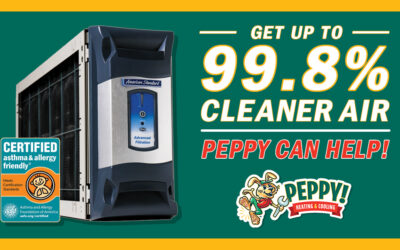
AccuClean To The Rescue: Remove up to 99.98% of Airborne Particulates

Your Solution for Clean Indoor Air is easier than you think. If you are a homeowner in Boise or nearby areas like Meridian, Eagle, Nampa, Caldwell, and Payette, AccuClean can be your answer to cleaner, healthier air. Unlike standard air filters that only capture larger particles, AccuClean can remove up to 99.98% of airborne particles, as small as 0.1 microns. AccuClean’s technology doesn’t merely trap pollutants; it neutralizes and eradicates them, ensuring that the air you breathe is free from contaminants.

The Science Behind AccuClean’s Air Purification Technology

AccuClean’s advanced air purification technology uses a series of filters and electrically charged fields to capture and neutralize airborne pollutants. The initial pre-filter traps larger particles, like dust and pet dander. Then, the remaining air passes through a charged ion field that attracts microscopic particles and microbes. Finally, the HEPA filter captures these charged particles, ensuring that the air is clean at the molecular level. This multi-stage process makes AccuClean one of the most efficient and reliable air purification systems available today.

Breathe Easy: Benefits of AccuClean for Boise Residents

Installing an AccuClean system comes with an array of benefits for Boise residents. Firstly, it significantly reduces health risks associated with poor indoor air quality. It’s also particularly beneficial for those who suffer from allergies or respiratory issues. Secondly, cleaner air means less dust and fewer odors, making your home more pleasant and inviting. Lastly, AccuClean systems are energy-efficient, thereby reducing your electricity bill and contributing to a greener environment.

Indoor air quality is an often-overlooked aspect of our daily lives, but its impact on our health is undeniable. Boise residents can significantly benefit from understanding this issue and investing in a reliable solution like AccuClean. With its state-of-the-art technology, AccuClean provides a comprehensive answer to the problem of indoor air pollution, ensuring a healthier, more comfortable living environment.

Find out how an AccuClean®  Whole Home Air Cleaning System can increase your home comfort. Based in Boise Idaho we serve the entire Treasure Valley area including NampaMeridianCaldwellEaglePayetteFruitland and Emmett Idaho.
Get a FREE IAQ consultation and Hoppin’ Good Service.

Call Today: 208-906-6928 TODAY!

hvac tax credits

Inflation Reduction Act Hvac Tax Credits Boise Idaho

Do you qualify? For the Inflation Reduction Act HVAC tax credits?

You sure could! You could qualify for HUGE rebates when you upgrade your heating and cooling equipment to a high efficiency heat pump or ductless heat pump for your Boise Idaho home.

It’s a game changer for homeowners and business owners who upgrade their home heating and cooling equipment with a high efficiency heat pump or ductless heat pump.

Here’s what you need to know:

What are they?
New Tax Credits were put forth on January 1, 2023. They’re called the Inflation Reduction Act (IRA) and are tax credits which make high-efficiency technologies, like heat pumps and ductless heat pumps more affordable for Boise residents.

Who qualifies for the HVAC tax credits?
Boise homeowners and business owner who upgrade to a modern high efficiency heat pump or ductless mini split heat pump could qualify for the incentives.

Why are there HVAC tax credits?
The purpose of these tax credits is to encourage homeowners to reduce their carbon footprint using environmentally friendly and high efficiency heating and cooling products that will save money and save energy.

Is Boise Idaho a good climate for heat pumps?
Today’s version of the heat pump has come a long way compared to the heat pump of 20 years ago. The modern version of the heat pump is highly efficient, which is the result of today’s cutting edge heat pump technology and many advances in technology. For example, today Mitsubishi has an extended temperature heat pumps that is perfect for our climate.

What products are included in the Inflation Reduction Act tax credits?
Qualifying heating and cooling products include high efficiency furnaces, high efficiency air conditioners, and high efficiency heat pumps. Other products include high energy efficient windows and water heaters.

  • American Standard has a broad range of high efficiency air conditioners, furnaces and heat pumps that meet the requirements of the IRA. Many are ENERGY STAR® rated.
  • Mitsubishi Ductless Mini Split Heat Pumps are a great addition to just about any home because they can heat and cool one room, one area or the whole house. Mitsubishi Mini Splits provide ultra-high energy ratings and are flexible in design and a perfect choice for solving hot and cold spots, increasing home comfort, and improving Indoor Air Quality (IAQ)

What are the benefits of choosing a heat pump?
Heat pumps are growing in popularity in Boise and the throughout the entire Treasure Valley area.

One major benefit is that just one unit can both heat and cool, so you can enjoy year-round comfort with one system.

Another popular reason to choose a heat pump is because of the ultra-high efficiencies, many units are ENERGY STAR® rated. The high efficiencies help Boise homeowners save energy, save money on monthly utility bills, while increasing home comfort.

A ductless heat pumps can easily solve hot and cold spots in your home and is the perfect way to add Air Conditioning to any home. It’s also the ideal choice for any homes without ductwork and is recommended for any home that has a family member with asthma or allergies.

Does it matter which HVAC contractor I choose?
Yes, it does.  Choosing the right heating and cooling contractor is the most important step. The reason being is that you want to make sure that the unit you choose is properly matched to your needs. Additionally, your new equipment needs to be installed by a professional HVAC installation contractor. Since over sizing and under sizing equipment leads to problems down the road, it’s important to hire the right heat pump contractor.

When is it a good time to consider an upgrade?
As a rule of thumb, if your furnace or AC is more than 12 years old, it’s time to consider a replacement. However, with the rebates in play, it’s a great time to consider upgrading your furnace and/or air conditioner sooner to take advantage of the incredible savings.

If you’re wondering if you qualify for the Inflation Reductio Act rebates in Boise Idaho, we can help!  Get a free consultation from our tried-and-true HVAC techs who know exactly what is needed to qualify.

You could qualify for HUGE rebates…Peppy Heating and Cooling can help you find out!
CALL (208) 906-6928 Today!

  • 1
  • 2